Step Up Your Adventure: How the Right Hiking Shoes Make All the Difference
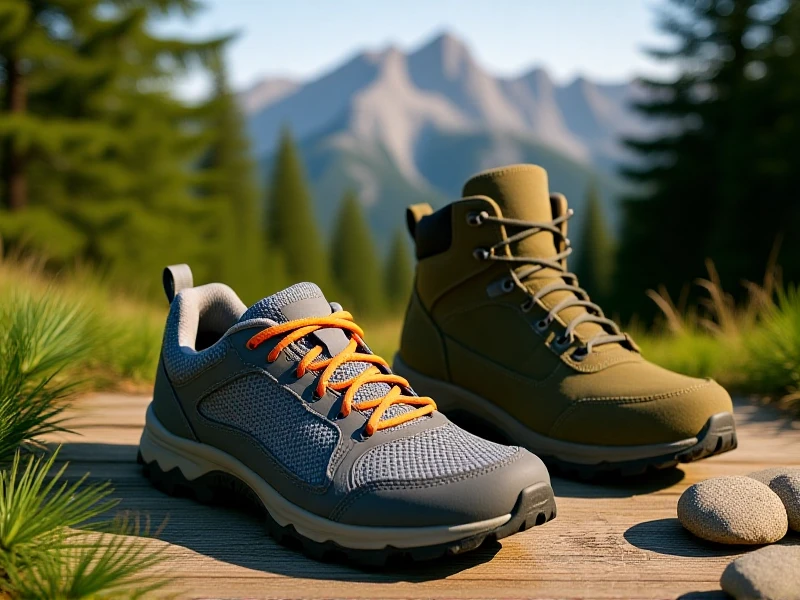
Your outdoor adventure shouldn't be held back by sore feet or unstable slips. Choosing the right hiking shoes is arguably the most crucial gear decision you’ll make, impacting comfort, safety, and enjoyment on any trail. Whether you're tackling rocky scrambles, forest paths, or weekend strolls, the perfect pair protects your feet and propels you forward.
So, what makes hiking shoes distinct from your everyday sneakers? It boils down to specialized support and rugged construction:
- Unwavering Support & Stability: Built with stiff, supportive midsoles (often incorporating nylon or TPU shanks), hiking shoes prevent ankle roll on uneven terrain. Higher cut models offer more ankle support, while lighter low-cuts prioritize agility.
- Tackle Tough Terrain with Superior Traction: Deep, aggressive lugs made from durable, sticky rubber compounds (like Vibram® or proprietary blends) grip rocks, mud, and loose dirt securely. This multidirectional tread pattern is essential for confidence on inclines and descents.
- Protection You Can Count On: Reinforced toe caps shield from rocks and roots. Rock plates built into the midsole protect your feet from sharp objects beneath the trail. Durable uppers, usually synthetic mesh or leather, resist abrasion and weather.
- Weather Defense (Often): Many hiking shoes feature waterproof membranes like Gore-Tex® or eVent®, keeping feet dry in wet grass, streams, or unexpected rain. Breathable, non-waterproof options are ideal for hot, dry climates to prevent overheating.
Finding Your Perfect Trail Match:
- Assess Your Terrain: Gentle, well-maintained paths? Lightweight trail runners or low-cut hiking shoes suffice. Rugged, uneven mountain trails? Prioritize more support, aggressive traction, and potentially a waterproof membrane.
- Consider Weight and Stiffness: Longer distances benefit from lighter weight, while heavier packs or rough terrain demand more stability and protection.
- Waterproof vs. Breathable: Will you encounter consistent wetness? Waterproof is key. Valuing cool feet above all in dry heat? Opt for breathable fabrics.
- Fit is Paramount: Your feet will swell during a hike. Always try shoes on in the afternoon with the socks you plan to wear, leaving ample room (about a thumb's width) at the toe. Heels should feel locked in without slippage.
Investing in quality hiking shoes directly translates to happier feet, fewer blisters, and a safer, more enjoyable connection with nature. Top brands like Salomon, Merrell, Keen, and Oboz offer diverse options catering to different terrains and preferences. Remember to break them in gradually before heading deep into the backcountry. Step wisely, explore freely, and let your gear elevate your journey. Your adventure awaits!