The Ultimate Guide to Choosing the Best Hiking Shoes for Your Adventure
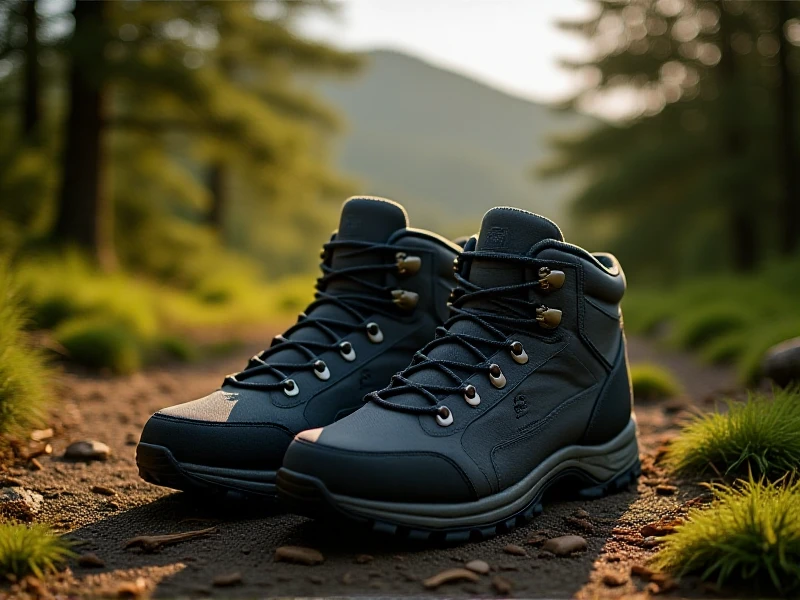
Here’s an SEO-optimized English article focused on "Hiking Shoes":
Heading out into nature promises fresh air, stunning views, and the thrill of discovery. But your enjoyment hinges on one crucial piece of gear: your hiking shoes. Picking the right ones isn't just about comfort; it's about safety, performance, and preventing foot fatigue. Let's walk through the essentials for finding your perfect match.
Hiking shoes are specifically engineered for the diverse demands of the trail. Unlike regular sneakers, they offer superior traction on loose dirt, slippery rocks, and muddy patches. Their robust outsoles grip the earth securely, using advanced rubber compounds and multidirectional lugs that bite into surfaces, significantly reducing the risk of slips.
Durability is non-negotiable. Trails are unforgiving. Quality hiking shoes feature tough, protective uppers made from leather (full-grain for maximum durability, split-grain or nubuck for better flexibility), synthetic mesh (excellent breathability and lighter weight), or a blend. This protection shields your feet from sharp rocks, roots, and debris.
Important features to consider:
- Ankle Support & Height: Low-cut hiking shoes offer maximum flexibility and lighter weight, ideal for well-maintained trails and warm weather. Mid-cut shoes provide crucial ankle support and stability, especially beneficial on uneven terrain, carrying heavier packs, or if you have weaker ankles.
- Weight: Lighter hiking shoes enhance agility and reduce fatigue on long-distance treks, while slightly heavier models often offer more durability and protection. Match the weight to your typical hike demands.
- Traction & Outsole: Look for reputable rubber (like Vibram®) with deep, aggressive lug patterns. Inspect the lug placement – multidirectional lugs provide all-around grip ascending and descending.
- Comfort & Fit: Never compromise here! Visit your local outdoor retailer later in the day when feet are naturally swollen. Wear your hiking socks. Ensure adequate toe room (about a thumbnail's width in front) and a secure, non-slipping heel. The shoe should feel supportive without pressure points.
- Waterproofing vs. Breathability: Waterproof membranes (Gore-Tex® being a common standard) are excellent for cold, wet conditions and crossing streams – they keep water out. However, they reduce breathability, potentially causing feet to sweat more on warm, dry hikes. Non-waterproof, breathable mesh excels in these warmer, drier conditions.
Choosing the wrong footwear leads quickly to blisters, sore feet, and a miserable experience. The right hiking shoes provide stability over rocky sections, cushioning on long descents, and protection that lets you focus entirely on the path ahead and the beauty around you. They are the foundation that transforms a challenging walk into a memorable adventure.
Invest time in selecting your hiking shoes. Think carefully about where you hike most, the weather you encounter, and the load you carry. Your feet – and your entire hiking experience – will thank you.
Ready to explore? The trail awaits, one correctly shod step at a time. What terrain are you tackling next with your new knowledge? Share your favorite hiking trails in the comments below!
Word Count: Approx. 415