Finding Your Perfect Pair: The Ultimate Guide to Hiking Boots
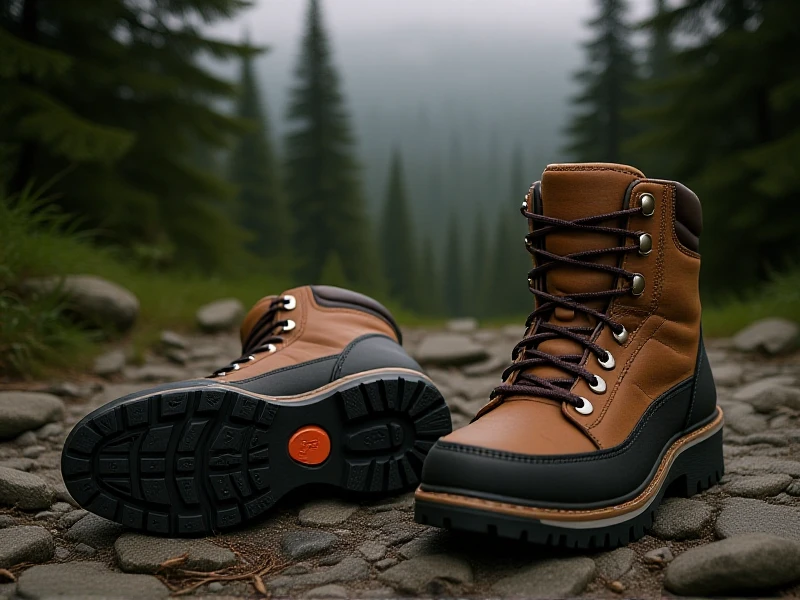
Hitting the trail unlocks nature's beauty, but the wrong footwear can turn adventure into agony. Your hiking boots are arguably your most vital piece of gear. More than just shoes, they provide critical support, protection, and traction over miles and varied terrain. Choosing the best hiking boots for your needs is paramount.
Why Proper Hiking Boots Matter
Think of your boots as your foundation. They stabilize your ankles on uneven paths, preventing sprains. Durable soles shield your feet from sharp rocks and roots. Waterproof membranes keep your feet dry crossing streams or in wet weather. Crucially, aggressive tread patterns grip loose dirt, slippery rocks, and muddy slopes, ensuring confident steps downhill.
Key Types of Hiking Boots
Not all trails are created equal, and neither are hiking boots:
- Day Hikers (Low-Cut): Lightweight, flexible, and breathable. Ideal for well-maintained trails, light loads, and shorter distances. Offers less ankle support.
- Backpacking Boots (Mid-Cut): The most versatile choice. Offers excellent ankle support for carrying moderate-to-heavy packs over rugged terrain. Often feature robust waterproofing.
- Mountaineering Boots (High-Cut): Stiff, heavy-duty boots for demanding off-trail hikes, heavy loads, or technical terrain. Prioritize maximum support and protection over flexibility and weight.
Essential Features to Consider
- Ankle Support: Mid and high-cut provide crucial stability on uneven ground. Choose height based on trail difficulty and pack weight.
- Waterproofing (e.g., Gore-Tex): Essential for wet climates, stream crossings, or dewy mornings. Remember no boot is 100% waterproof indefinitely.
- Traction: Look for deep, multi-directional lugs made of durable rubber (like Vibram). Aggressive tread is key for loose surfaces.
- Comfort & Support: A stiff shank underfoot protects from trail irregularities. Adequate cushioning absorbs shock over long distances.
- Weight: Lighter boots offer agility; heavier boots provide durability and support for heavy loads. Balance your priorities.
The Non-Negotiable: Perfect Fit
No feature outweighs proper fit. Always try on hiking boots in the afternoon when feet are naturally swollen. Wear the socks you hike in. Ensure snugness through the midfoot and heel, preventing slippage. Wiggle room for toes (especially downhill) is crucial. Test on an incline in-store if possible. Don't assume your street shoe size fits.
Materials Matter
- Leather (Full-grain/Split-grain): Durable, naturally water-resistant (full-grain), often requires breaking in. Split-grain (nylon/leather combo) is lighter and more breathable but less waterproof.
- Synthetics (Nylon/Polyester): Lightweight, breathable, quick-drying, and often more budget-friendly. May be less durable than full-grain leather.
- Meshed Panels: Increase breathability but reduce water resistance.
Caring for Your Investment
Extend your hiking boots' life! After trips:
- Remove insoles/laces and clean off mud/dirt with a soft brush and water.
- Air dry naturally, away from direct heat sources. Stuff with newspaper to absorb moisture.
- Periodically treat with appropriate conditioners (especially leather) to maintain water resistance and suppleness.
- Store in a cool, dry place.
The Takeaway
Investing time in finding the right hiking boots pays off exponentially on the trail. Prioritize fit, support, traction, and appropriate features for your adventures. Well-chosen, well-cared-for hiking boots become reliable partners, carrying you confidently deeper into the wilderness, mile after memorable mile. Ready to lace up? Explore our collection to find your perfect match.