Why You Need Dependable Hiking Boots: Choosing & Care
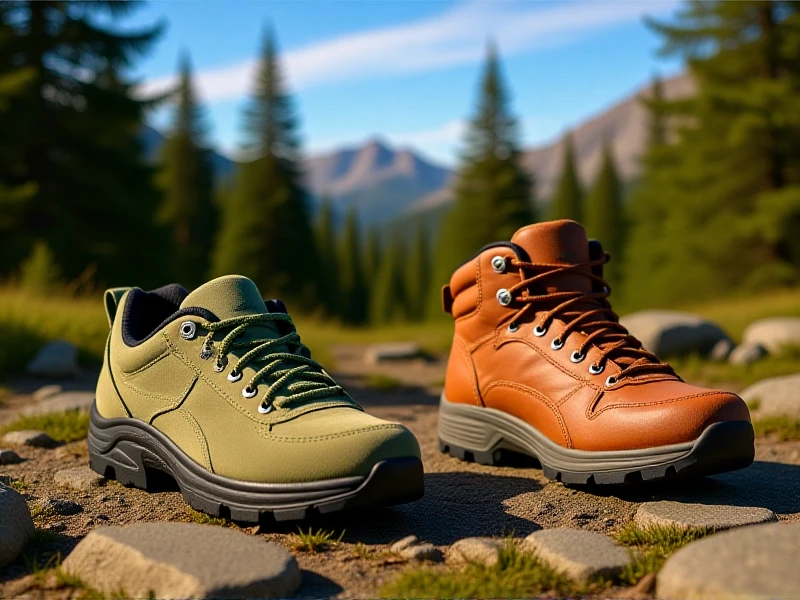
Okay, here is a SEO-optimized article about hiking boots, focused on providing informative value while naturally incorporating the keyword, structured for websites:
Your feet are your foundation on the trail. That's why investing in the right hiking boots is arguably the most crucial gear decision you'll make. Forget those flimsy sneakers for anything beyond a sidewalk stroll; proper hiking boots are engineered for rugged terrain, protecting your feet and enhancing your adventure.
The Core Benefit: Confidence on Any Terrain
Good hiking boots provide essential stability on uneven ground, reducing ankle twists. Their stiff midsoles support your arches and protect your soles from sharp rocks (a lifesaver after hours of walking!). Aggressive treads offer dependable grip on mud, loose gravel, wet tree roots, and surprisingly slippery rocks. Waterproof hiking boots, often featuring membranes like Gore-Tex®, keep your feet dry across streams and through soggy conditions, preventing blisters and that miserable squelch.
Choosing Your Perfect Pair: Hiking Boots Aren't One-Size-Fits-All
- Terrain & Load: Consider typical trails. Lightweight boots or sturdy trail shoes suffice for groomed paths. Hiking boots with more ankle support and stiffer soles become essential for rocky scrambles, backpacking with a heavy load, or mountainous terrain offering superior stability.
- Fit is Paramount: This cannot be overstated. Shop in the afternoon when feet are slightly swollen. Wear your intended hiking socks. Ensure ample toe wiggle room (a thumb's width from the end) to prevent downhill toenails smashing. Your heel should be locked firmly against slippage. Walk and simulate inclines/declines.
- Height Matters: Mid-cut boots are the popular sweet spot, balancing ankle support and flexibility. Consider true backpacking boots (high-cut) for demanding loads or weak ankles.
- Waterproofing: Essential for wet seasons or dewy mornings. Non-waterproof boots or shoes offer better breathability in hot, dry conditions.
Caring for Your Investment Hiking Boots require maintenance to perform well long-term:
- Clean: Brush off mud and dirt after every hike before it hardens. Occasionally wash gently with specialized boot cleaner or mild soap and water (remove insoles and laces first). Avoid soaking.
- Dry Naturally: Air dry away from direct heat sources like radiators or intense sun, which can cause leather to crack or glue to fail. Use newspaper inside to absorb moisture faster.
- Condition: Periodically treat leather boots with a manufacturer-recommended conditioner to maintain suppleness and water resistance. Renew waterproofing on treated fabrics using dedicated sprays as needed.
Dependable hiking boots transform your outdoor experience. They become trusted companions, shielding you from discomfort and hazards, letting you focus on the breathtaking scenery, the rhythm of your walk, and the joy of the journey. Invest thoughtfully, break them in properly, and maintain them well for countless miles of trail adventures. Don't compromise on the gear that keeps you moving forward, confidently and comfortably.