Your Perfect Pair: How to Choose Hiking Boots That Conquer Any Trail
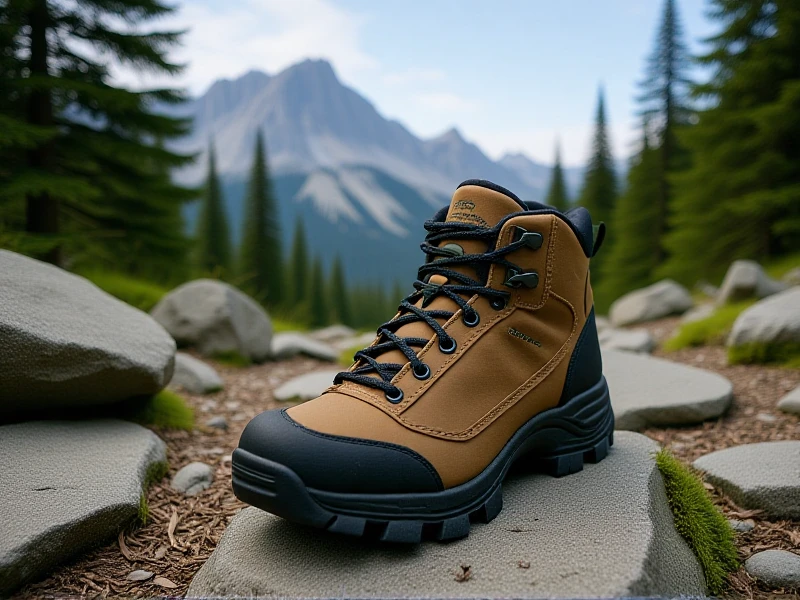
Finding the right hiking boots is fundamental. Forget blisters, sore feet, and unstable steps. The perfect pair unlocks the wilderness, turning challenging paths into rewarding adventures. But with countless options, navigating the hike boot aisle feels like an expedition itself. How do you know which boots are your ultimate trail ally?
The answer begins underfoot – literally. Your primary terrain dictates the ideal hiking boot type.
- Smooth Trails & Day Hikes: Light trail runners offer superior breathability and flexibility. Ideal for well-maintained paths and shorter distances, they feel fleet-footed. Lightweight hiking shoes provide slightly more support while keeping things nimble.
- Moderate Terrain & Multi-Day Treks: Mid-cut boots are the versatile champions. They offer crucial ankle support for uneven ground and carry heavier packs comfortably, shielding joints on longer adventures. Look for durable uppers and grippy soles.
- Rugged Backcountry & Heavy Loads: High-cut backpacking boots deliver maximum ankle support and stability over rocks, scree, and steep inclines. Their stiffer construction handles heavy loads securely and offers unmatched protection.
Beyond the cut, construction matters.
- Uppers: Full-grain leather offers superb durability and water resistance but can be heavier. Split-grain leather combined with synthetic mesh breathes better often at a lighter weight. Nubuck leather strikes a balance – tough, water-resistant, and supple.
- Waterproofing: Technologies like Gore-Tex® or proprietary membranes are essential if tackling wet conditions, streams, or unexpected rain. Remember, waterproof boots require longer drying times than non-waterproof hiking footwear.
- Footwear Insulation: Generally avoid insulation unless specifically trekking in freezing conditions for extended periods. Your feet generate significant heat while hiking.
Comfort is non-negotiable.
- The Fit: Visit a reputable outdoor store late in the afternoon when feet are naturally swollen. Wear the socks you'll hike in. There should be ample toe room (about a thumb's width), secure heel hold without slippage, and no pinching. Walk around, test inclines.
- Support: Arch support should match your natural foot shape. Adequate cushioning absorbs impact on long descents. Look for reinforced toe caps for protection.
- Soles: Vibram® or comparable high-quality rubber provides exceptional traction over diverse surfaces. Lug pattern depth matters most; deeper, widely spaced lugs excel in loose terrain.
Investing in quality boots transforms your experience. Blister prevention, secure footing, joint protection, and enduring tough miles depend on it.
Caring for your investment extends its life. Brush off dirt, clean regularly with appropriate products, and reapply waterproofing periodically. Let them air dry naturally after wet trips.
Choosing the right hiking boots isn't just gear acquisition; it's empowering your adventures. Determine your terrain, priorities, and fit. Once laced up, the miles open before you with confidence and comfort. Time to explore!